Water Damage Restoration Runnemede, NJ
Burst pipes, failed water heaters, sewage backups and storm water get pumped out, cut open where needed and dried to readings in this dense Camden County borough.
Crews can be reached any hour, day or night, for homes and shops across the borough.
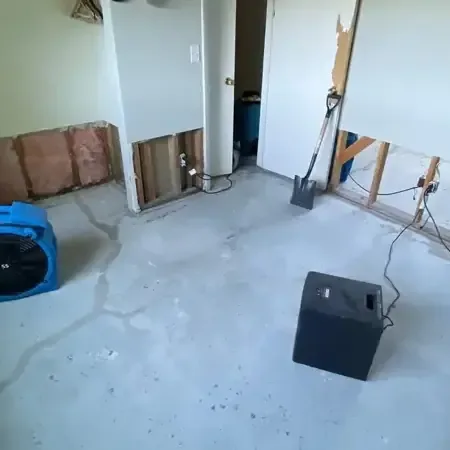 Extraction and drying · 24/7
What to do while the water is still spreading
- Stop the source. Close the supply valve, or the main shutoff if the source is unclear, and keep everyone out of standing water near outlets.
- Cut the power. Switch off breakers for wet rooms from a dry spot, and never touch a panel while standing in water.
- Photograph everything. Take wide and close pictures of wet floors, walls and belongings before anything is moved or thrown out.
- Lift small items. Move rugs, electronics, books and boxes to dry ground, but leave heavy furniture alone until the floor is checked.
- Call the crew. Describe the water, the rooms and when it started so the right pumps and drying equipment are loaded for the job.
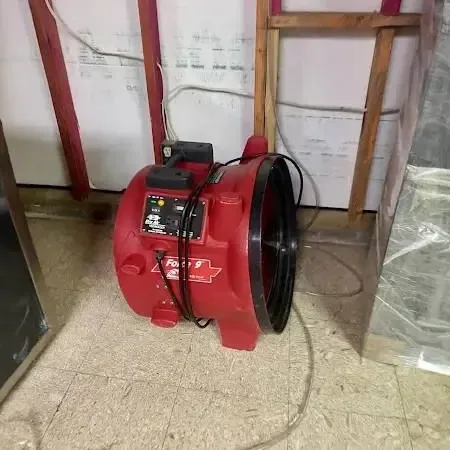
Burst pipe or failed tank flooding a room? Crews can be sent out at any hour of the day.
☎ Call (888) 471-9821Send the extractorsThirteen water and sewage services
Every service runs from one crew, from the first pump-out through verified drying, so a single call covers whatever the leak turned out to be.
 01
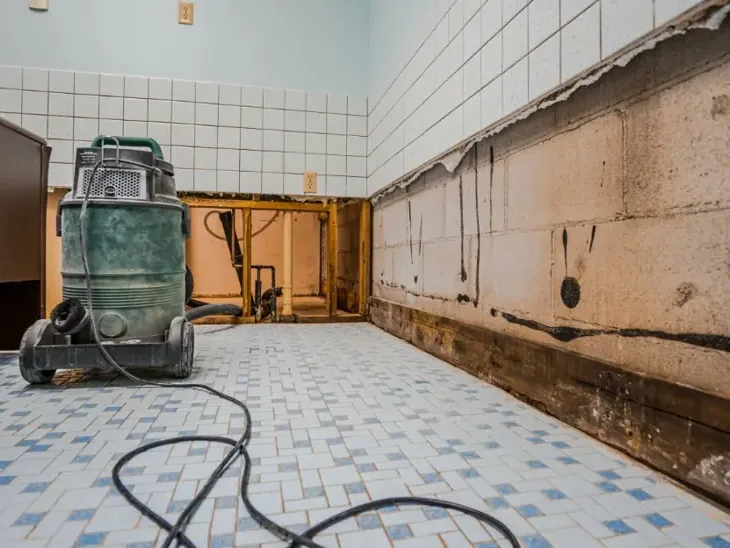
Water Extraction and Removal
Standing water is pulled from floors and carpet with truck-mounted and portable extractors before it wicks into the walls.
How it is handled ›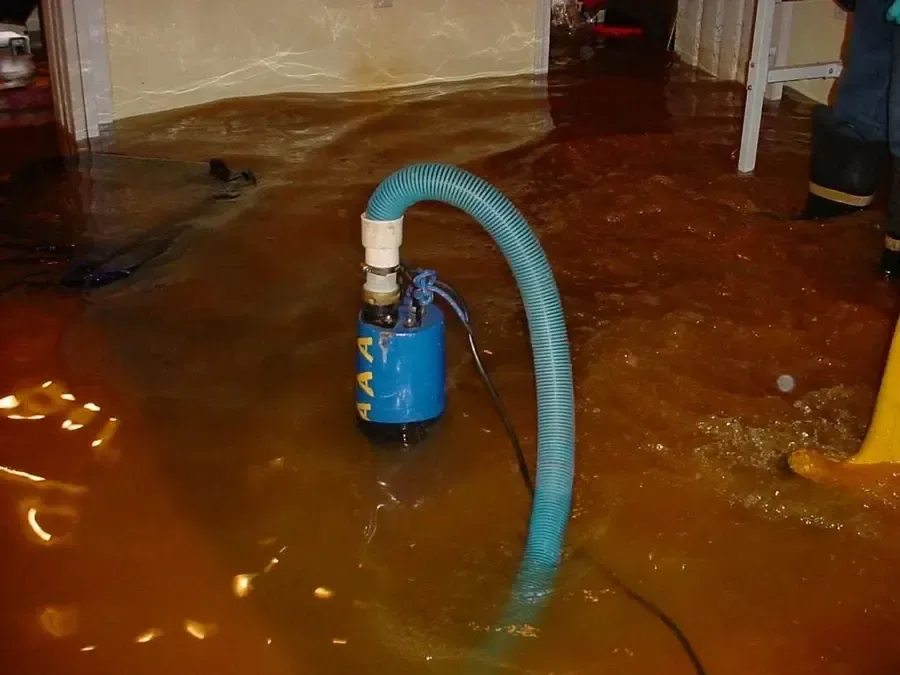 02
Basement Flooding Cleanup
Lower levels that took in rain or backup water are pumped, stripped of soaked pad and drywall, then dried.
How it is handled ›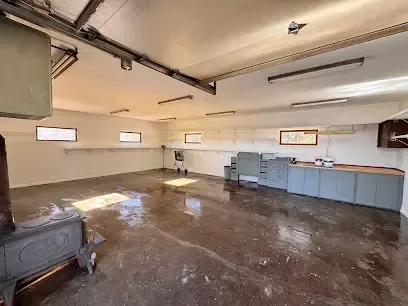 03
Sump Pump Failure Cleanup
When a pit pump quits during heavy rain, groundwater reaches the floor and the cleanup begins with extraction.
How it is handled ›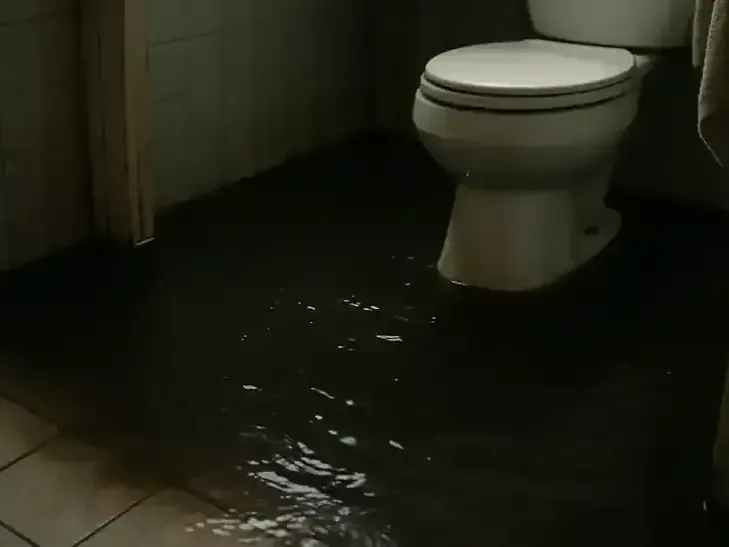 04
Sewage Backup Cleanup
Drain backups call for containment, protective gear, removal of soaked absorbent materials and sanitizing of touched surfaces.
How it is handled ›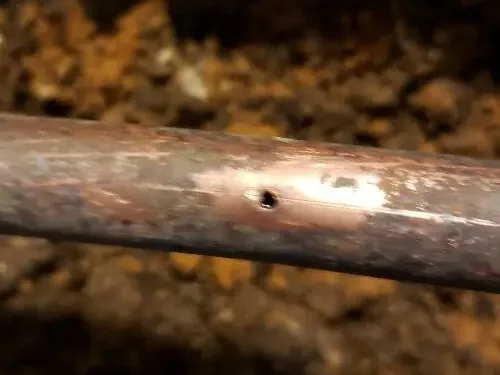 05
Burst Pipe Water Damage
A split supply pipe floods quickly, so the water is shut off, extracted and the wet framing dried.
How it is handled ›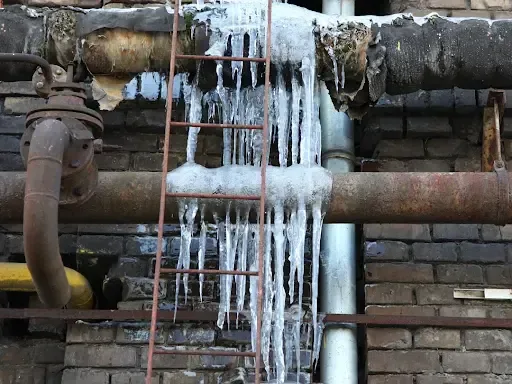 06
Frozen Pipe Water Damage
Pipes that cracked in a cold snap leak once they thaw, and the wet wall or ceiling below gets dried.
How it is handled ›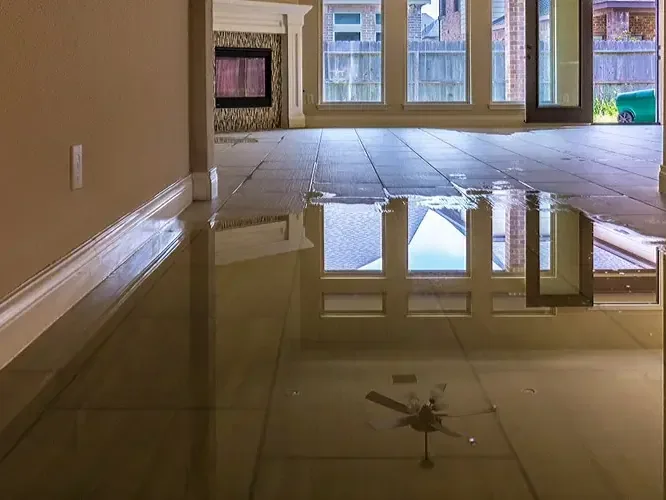 07
Storm and Flood Water Cleanup
Storm water that enters at doors or low spots is extracted, hauled off and the structure dried.
How it is handled ›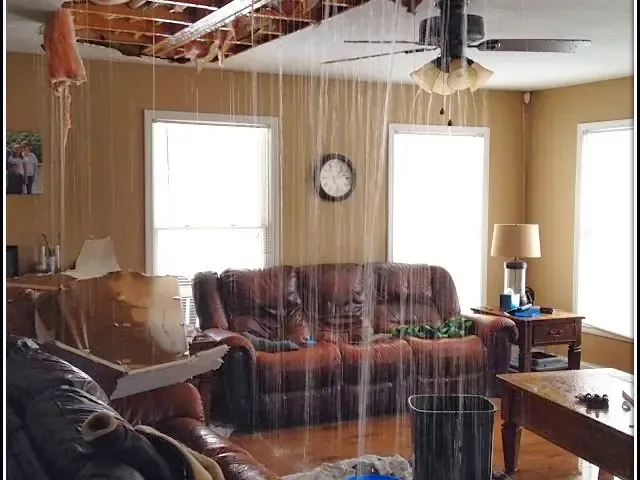 08
Roof Leak Water Damage
Rain through a roof soaks insulation and ceilings, so the wet layers come out and the framing dries.
How it is handled ›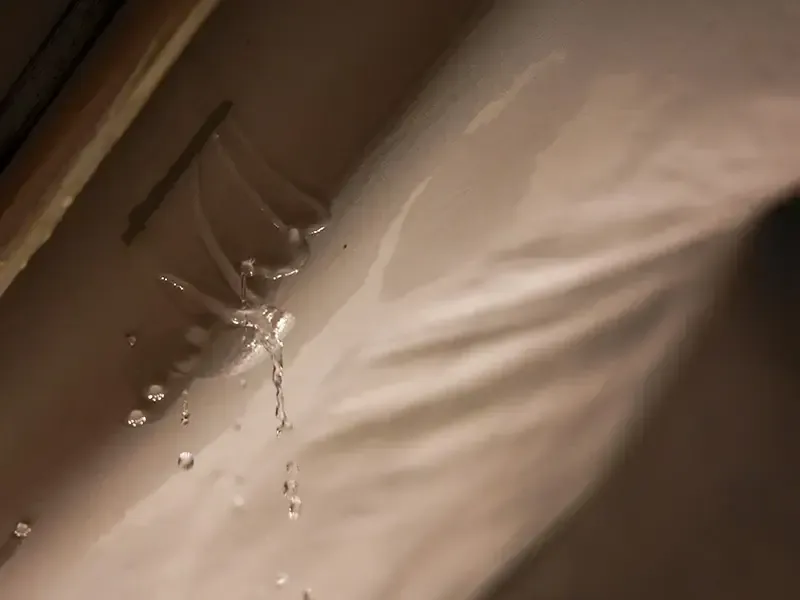 09
Ceiling Leak Water Damage
A sagging or stained ceiling gets its source traced above, the trapped water released and the joists dried.
How it is handled ›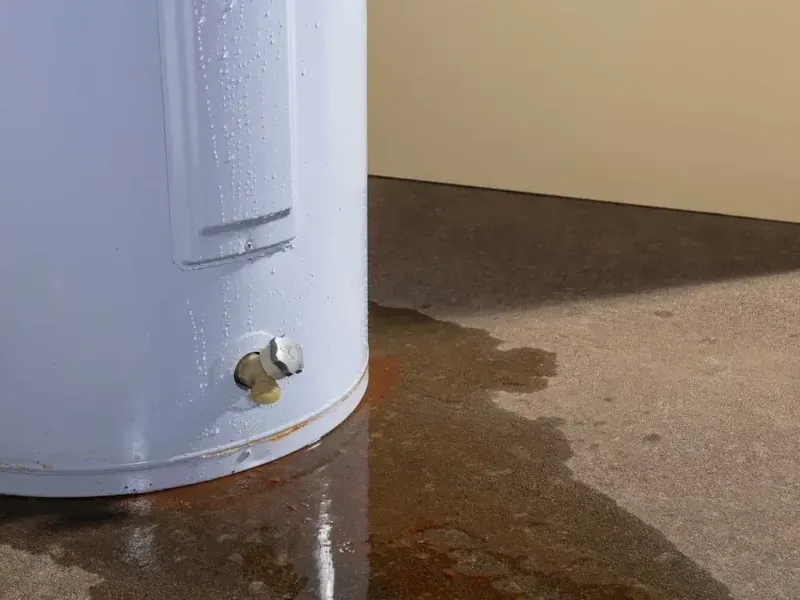 10
Water Heater Leak Cleanup
A failed tank empties into the utility area and nearby rooms, so flooring and walls are extracted and dried.
How it is handled ›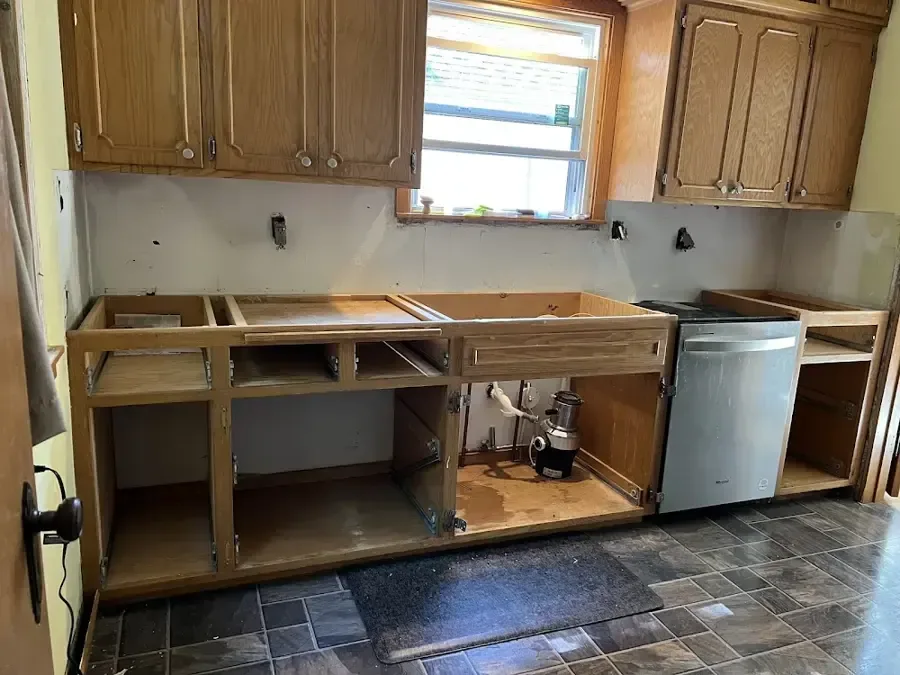 11
Appliance and Supply Hose Leaks
Washer, dishwasher and refrigerator hose failures soak floors and cabinets, and the wet layers are lifted and dried.
How it is handled ›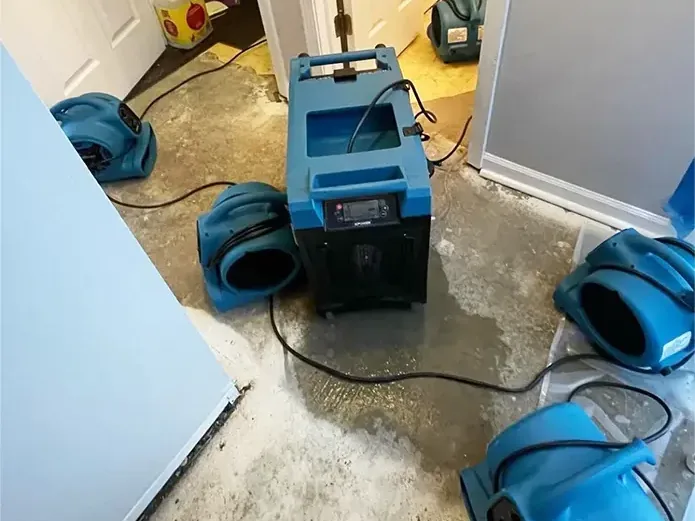 12
Structural Drying and Dehumidification
Air movers and dehumidifiers pull stored moisture out of framing and subfloors until readings reach the dry standard.
How it is handled ›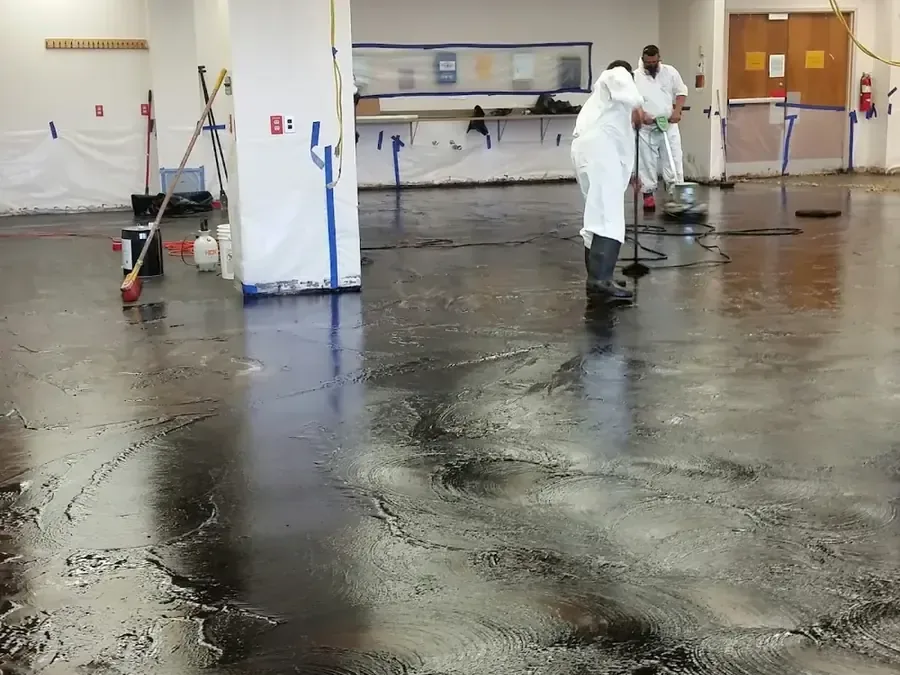 13
Commercial Water Damage
Shops, offices and school-area buildings get cleanup planned around business hours to keep disruption low.
How it is handled ›Not sure which service fits the leak? Explain what is wet and where the water began.
☎ Call (888) 471-9821Match the leak to a jobWhy crews here
A dense borough where water travels fast
Close-set homes and shared walls mean one failed pipe can become a neighbor's problem, so quick extraction and clear moisture records matter a great deal.
Fast water removal
Extractors and pumps arrive loaded so standing water is pulled out before it soaks drywall, baseboards and subfloors.
Readings, not guesses
Moisture meters and a daily log show exactly which materials are still wet and when each one is finally dry.
One crew, start to finish
The same team handles extraction, demolition, drying and the final readings, so nothing falls between trades.
Clear paperwork trail
Photos, readings and written scope are organized in a form an adjuster can follow without chasing details.
Wet drywall keeps absorbing moisture, so early extraction saves more of the structure.
☎ Call (888) 471-9821Start the water removalHow a water job runs from start to finish
Every job follows the same order: stop the source, remove the water, open what is wet, dry it with equipment and confirm the result with a meter.
Assess
A crew member checks the source, the spread and the materials involved, then explains the plan before work starts.
Extract
Pumps and wet vacuums remove standing water so drying equipment is not fighting a flooded floor.
Dry
Air movers and dehumidifiers run on a schedule while technicians check readings and adjust the setup.
Confirm
Final readings show the framing, floors and walls at a dry standard before equipment leaves the property.
Sewage in a bathroom or drain area needs containment first.
☎ Call (888) 471-9821Seal off the backup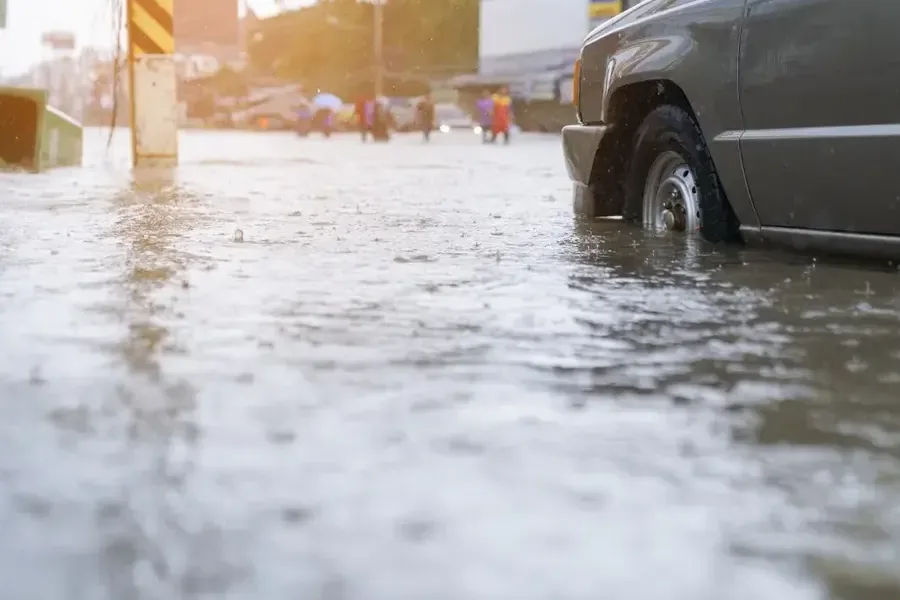
Water risks that fit homes in the borough
Runnemede sits at an elevation of 69 feet and had 8,324 residents in 2020, with homes set close together, so a leak in one house often reaches the next one over.
Year to August 2023: State Farm recorded more than 400 New Jersey claims for frozen pipes or ice dams in that period, with about $16 million in damage.
- Cold snap pipe splits. Pipes in attics, garages, crawl spaces and uninsulated exterior walls freeze first when a New Jersey cold snap arrives, then leak as soon as they thaw. Cracks may stay hidden until the ice melts.
- Freeze and thaw cycles. Frozen water expands and then flows through the crack when it warms, which is why repeated swings in temperature are hard on home plumbing.
- Heavy rain and storm water. Hard rain can overload gutters, grading and sump pumps, sending water through doors, low windows and floors into finished rooms. Finished rooms soak quickly once water gets past the threshold.
- Tightly spaced homes. The borough counted 3,548 housing units in 2010, so water from a ceiling or wall leak can cross into attached or nearby buildings. Quick extraction keeps the spread small.
- Aging appliances. Water heaters, washers and dishwashers fail without warning, and a slow hose leak can soak a floor for days before anyone notices. Checking hoses and drain connections once a year catches many of these.
Storm water at the doors?
☎ Call (888) 471-9821Pump out the entryEquipment and conditions crews work in
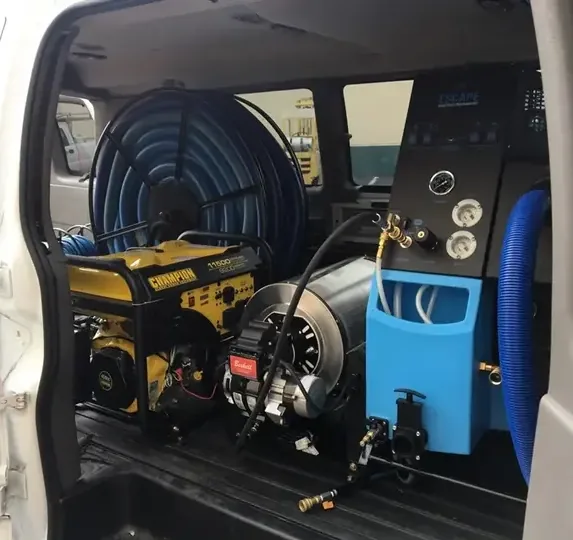
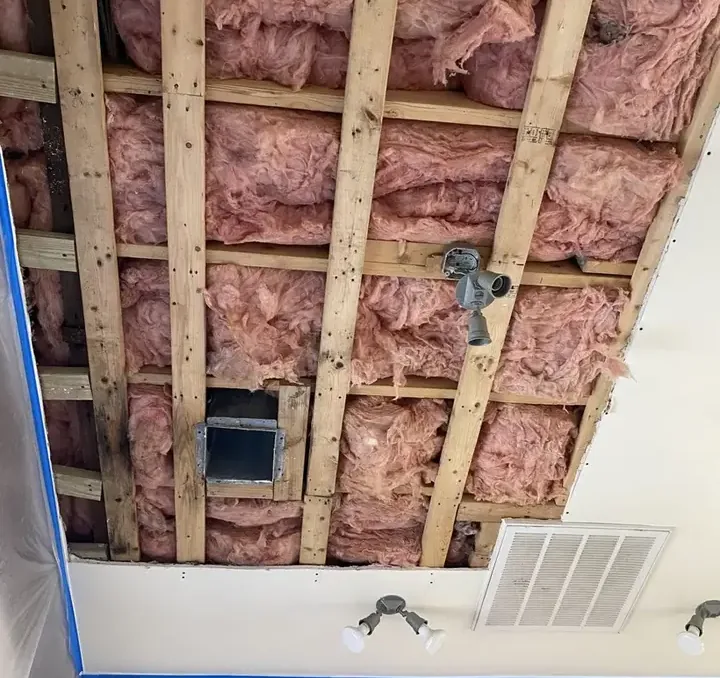
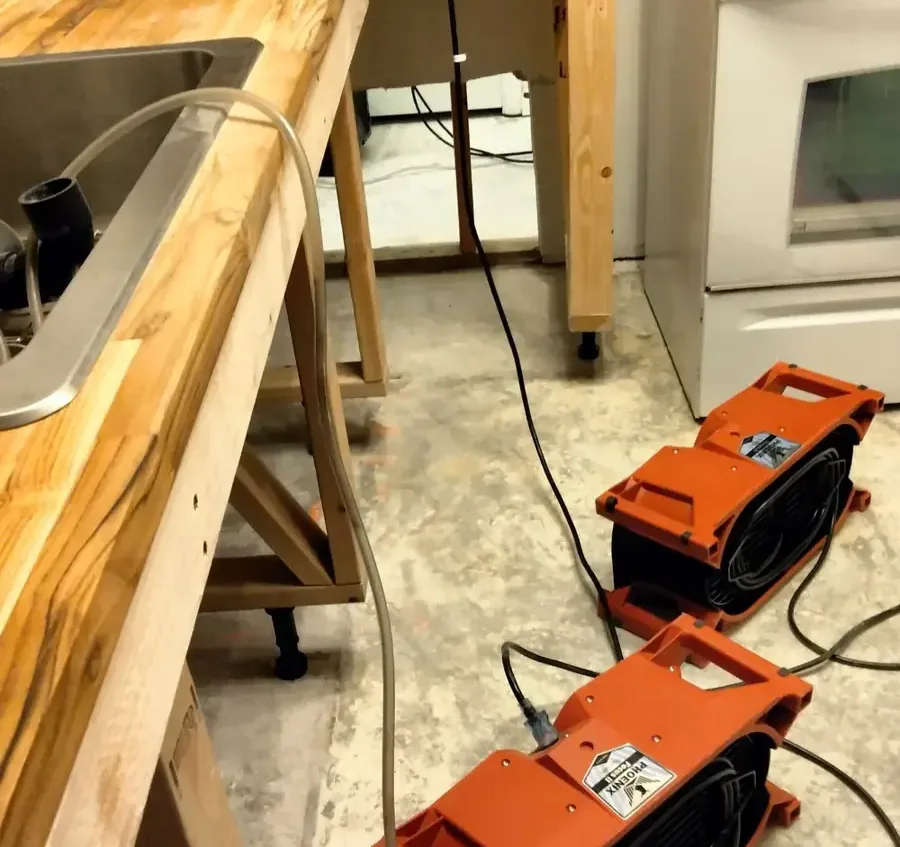
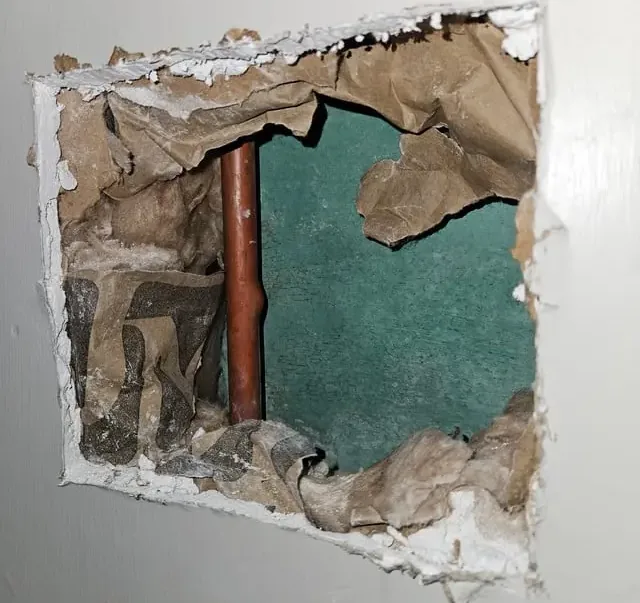
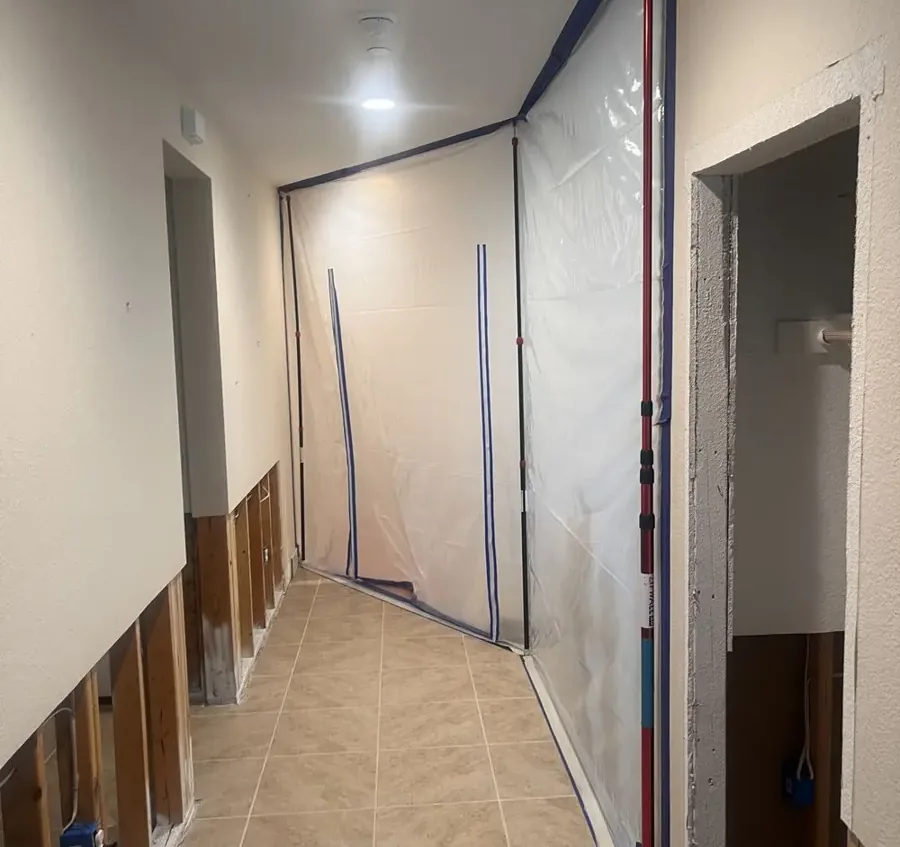
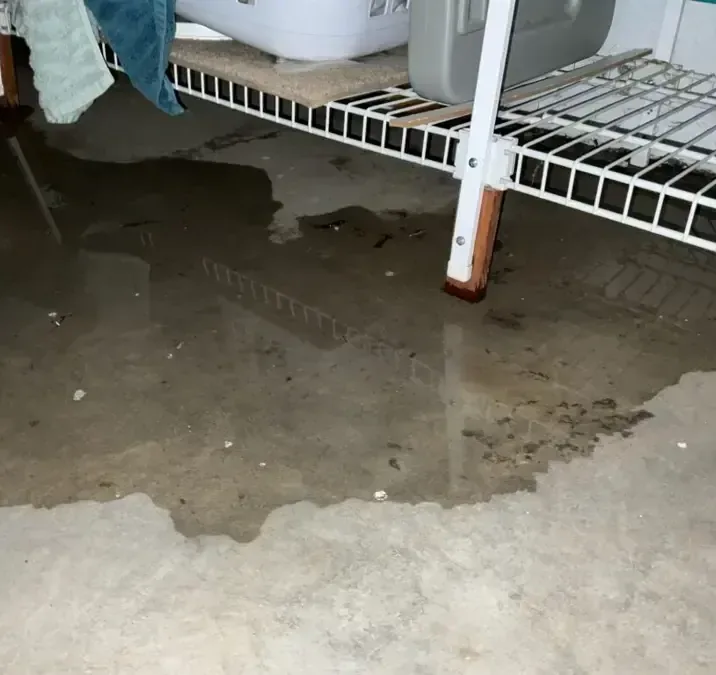
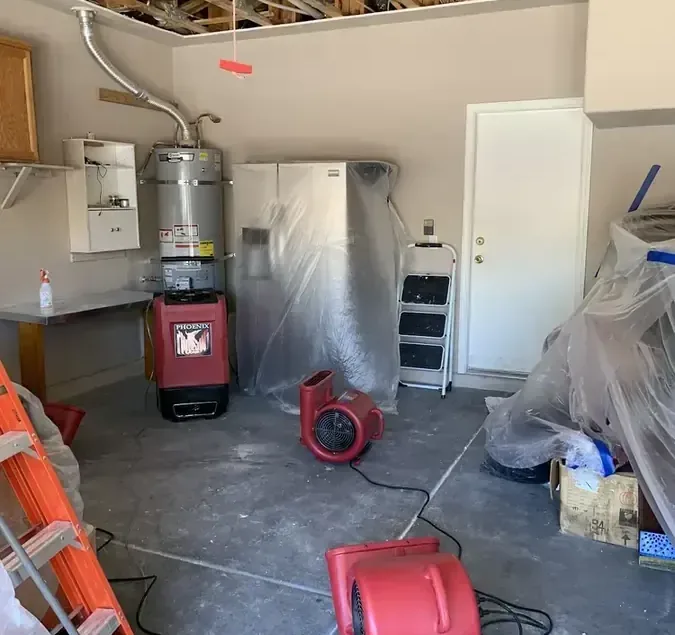
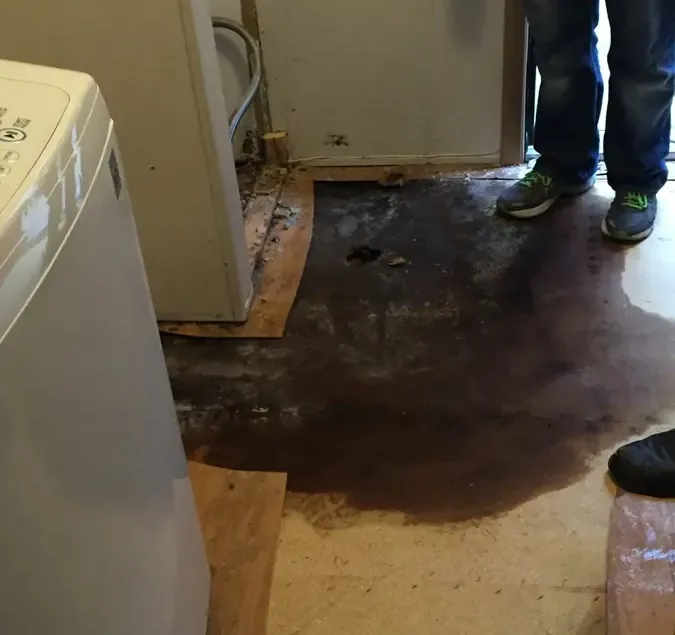
Ceiling stained or sagging? Report it before it drops.
☎ Call (888) 471-9821Trace the ceiling leakWhat does water damage restoration cost in Runnemede, NJ?
Most water damage jobs here run from $450 for one room of clean water to $14,000 for sewage or storm water, depending on how far the water spread across the structure.
A written scope comes after the first inspection. Price moves with the water category, the area wet and how long it sat before drying began. A closer range comes from the water damage cost calculator.
Three kinds of water, three kinds of job
Supply water
Burst pipes, water heater tanks and hose failures release clean water that usually dries in place when extraction starts quickly.
Burst pipe cleanup ›Appliance water
Dishwasher, washer and refrigerator leaks seep under cabinets and flooring, where hidden moisture keeps spreading unless it is found.
Appliance leak cleanup ›Sewage water
Drain backups carry contamination, so the area is sealed off, emptied, cleaned and sanitized before any drying begins.
Sewage cleanup ›Shop or office floor wet after hours? A low-disruption plan is available for the building.
☎ Call (888) 471-9821Plan the business cleanupWhere crews work around the borough
ZIP covered
Water damage crews also reach Barrington, Bellmawr, Magnolia and Gloucester Township in Camden County, plus Deptford Township across the county line.
Roads crews cover
Nearby towns
Documenting water damage for a claim
A claim goes more smoothly when the loss is recorded clearly from the start, before cleanup changes how the rooms look.
Before the adjuster visits
Stop the water at its source and take photos before moving anything. Keep damaged flooring or drywall samples when a crew removes them, because an adjuster may want to see what failed.
Read the policy for water backup and sump overflow wording, since those often need separate coverage. Ask the crew for the moisture log and scope so both match.
Need readings for a claim?
☎ Call (888) 471-9821Book moisture checksWater damage questions
Q01How fast should water be removed?
Q02Can wet carpet be saved?
Q03What does the drying equipment do?
Q04Is sewage water dangerous?
Q05How long does drying take?
Q06Should the power stay on?
Q07Do crews help with insurance paperwork?
Q08What if the leak is already stopped?
Q09Do commercial buildings get service?
Q10What should be thrown out?
Still unsure what to do? Describe what is wet and where the water started, and a crew will explain the first steps and what drying will likely involve.
☎ Call (888) 471-9821Ask a crew nowCrews for borough homes and shops, any hour
Deptford Water Damage Restoration
Describe the water, the room and when it started, and the right crew and equipment are loaded for that job.
☎ Call (888) 471-9821Talk to a crew nowWater on the floor? Call for a crew
Describe the leak and the rooms involved, and a drying crew will start planning the pump-out immediately.
☎ Call (888) 471-9821Get the pumps moving