Water Damage Restoration Bellmawr, NJ
Burst pipes, failed sump pumps, sewer backups and storm water are handled here with extraction, drying equipment and moisture readings, whether the loss is one room or an entire floor.
Camden County crews dry homes and small businesses across the borough, from Bellmawr Park to the Creek Road area.
 Extraction and drying · 24/7
Five moves that protect the home before cleanup begins
- Stop the source. Shut the main valve or the appliance valve, and switch off power to wet areas only if the panel is dry and safe to reach.
- Call for help. Describe the source and what is wet, and the crew sets the order of extraction, containment and drying.
- Lift what is safe. Move rugs, electronics and small furniture to a dry room, and leave soaked drywall and carpet pad for the crew.
- Photograph the damage. Take clear photos of the wet areas and damaged items before anything is moved, since insurers ask for them.
- Keep people away. Stay out of rooms with sewage, sagging ceilings or standing water near outlets until the area is checked.
Water on the floor or dripping from the ceiling? Call now, any hour, and say what happened.
☎ Call (888) 471-9821Tell the crew what happenedWater damage services for every kind of leak
Every page below covers one kind of loss, from a single wet room to a flooded lower level, so equipment and steps match the source of the water.
 01
Water Extraction and Removal
Truck-mounted and portable units pull standing water from floors and carpet before it travels into walls.
How it is handled ›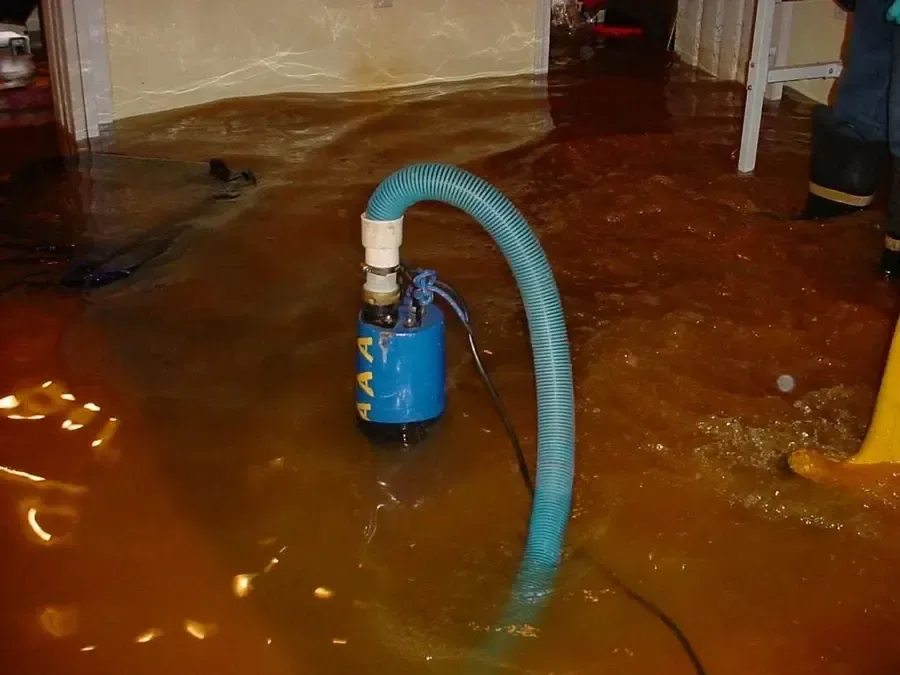 02
Basement Flooding Cleanup
Submersible pumps clear deep water from a flooded lower level, then walls, framing and stored contents are dried.
How it is handled ›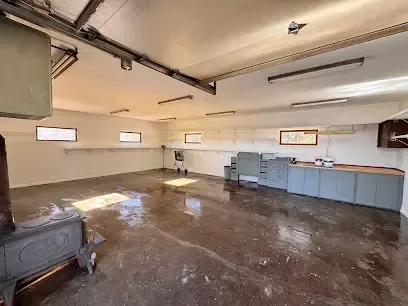 03
Sump Pump Failure Cleanup
A pump that quit or was overwhelmed lets water into the lower level, and the cleanup starts with extraction.
How it is handled ›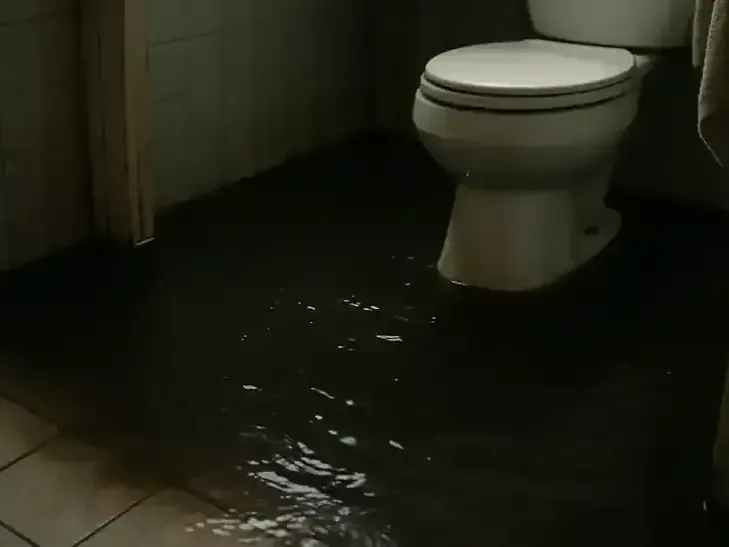 04
Sewage Backup Cleanup
Backed up drain water is removed with protective gear, and porous materials it touched are discarded and disinfected.
How it is handled ›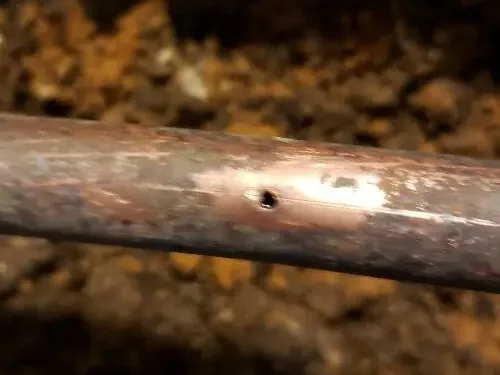 05
Burst Pipe Water Damage
A split supply pipe floods quickly, so extraction and opening the wet wall cavity come first.
How it is handled ›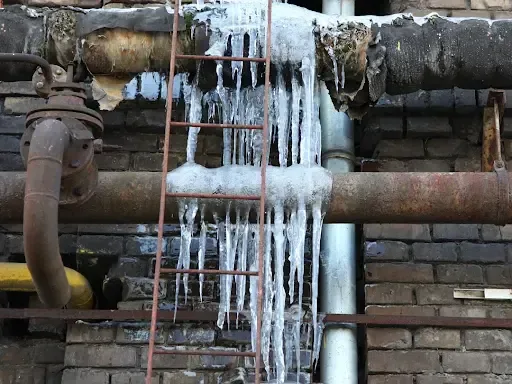 06
Frozen Pipe Water Damage
Thawed pipes release water inside walls and floors, and the damage is dried once the leak is stopped.
How it is handled ›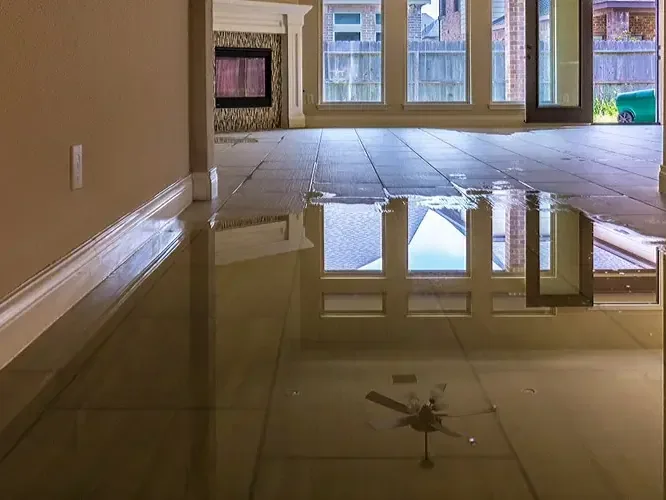 07
Storm and Flood Water Cleanup
Storm water that reaches a home carries silt and bacteria, so removal, drying and cleaning follow quickly.
How it is handled ›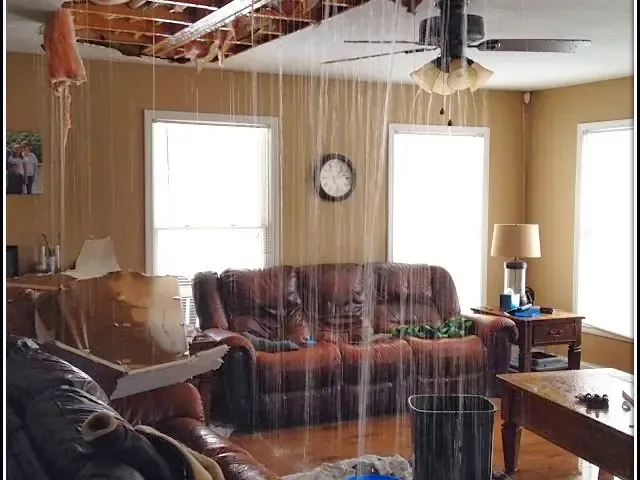 08
Roof Leak Water Damage
Rain through a roof soaks insulation and ceilings, so wet material comes out and the attic is dried.
How it is handled ›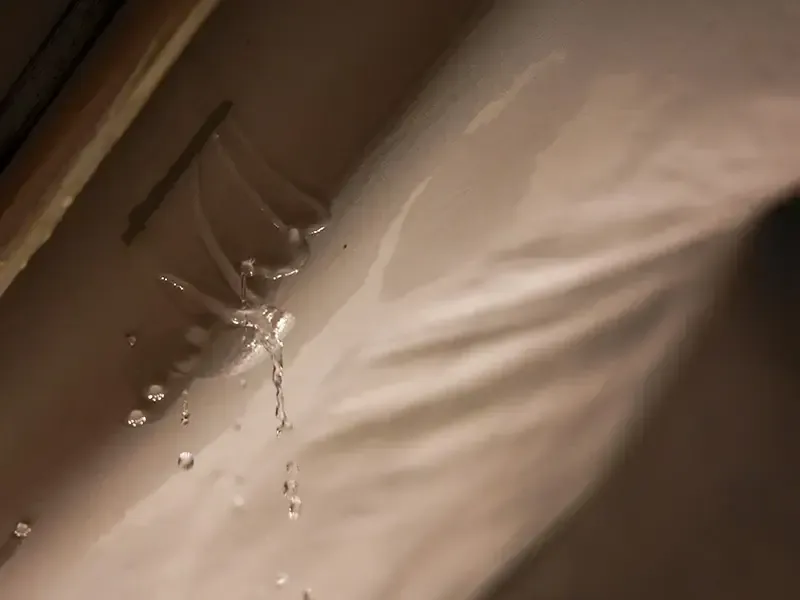 09
Ceiling Leak Water Damage
A stained or sagging ceiling hides water above it, so moisture is traced and wet drywall is opened.
How it is handled ›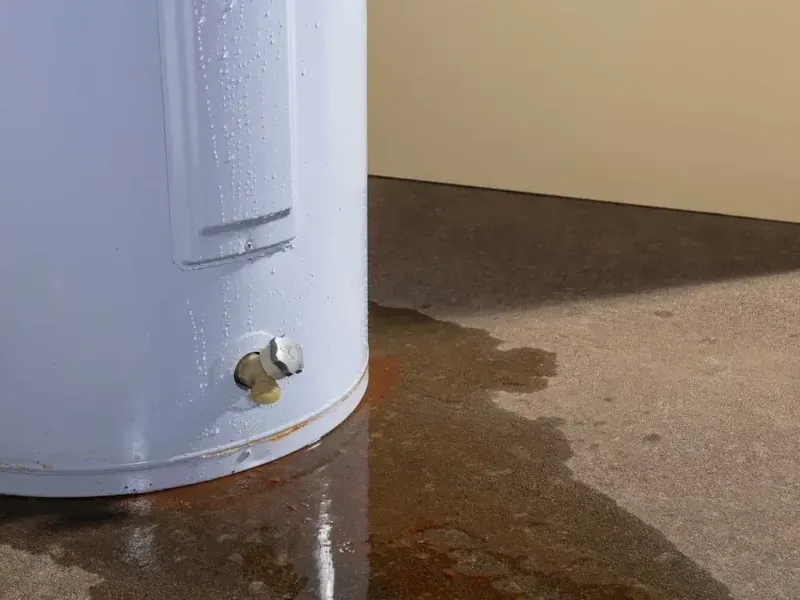 10
Water Heater Leak Cleanup
A failed tank soaks utility space and nearby floors, and the water is extracted and the area dried.
How it is handled ›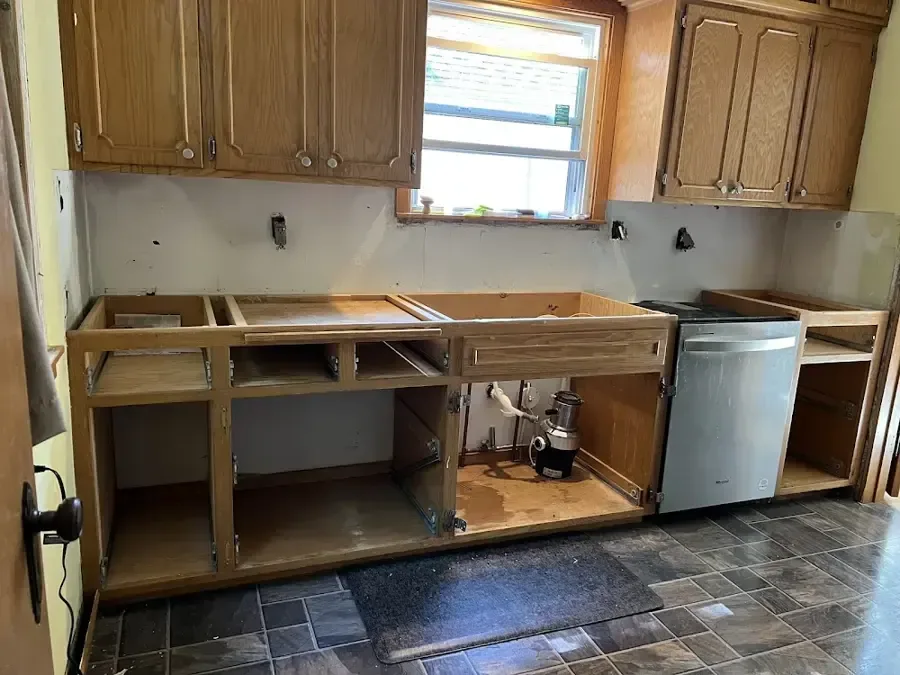 11
Appliance and Supply Hose Leaks
Dishwasher, washer and ice maker leaks seep under cabinets and flooring, often unseen until the damage has spread.
How it is handled ›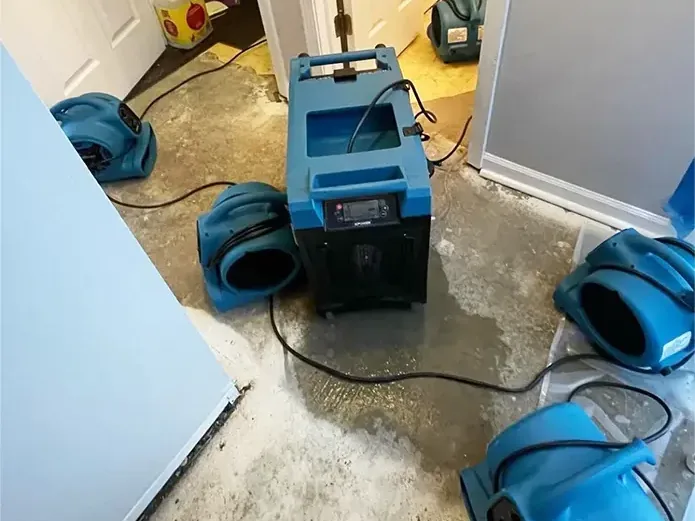 12
Structural Drying and Dehumidification
Air movers and dehumidifiers dry framing, subfloors and walls, with meter readings confirming the materials are dry.
How it is handled ›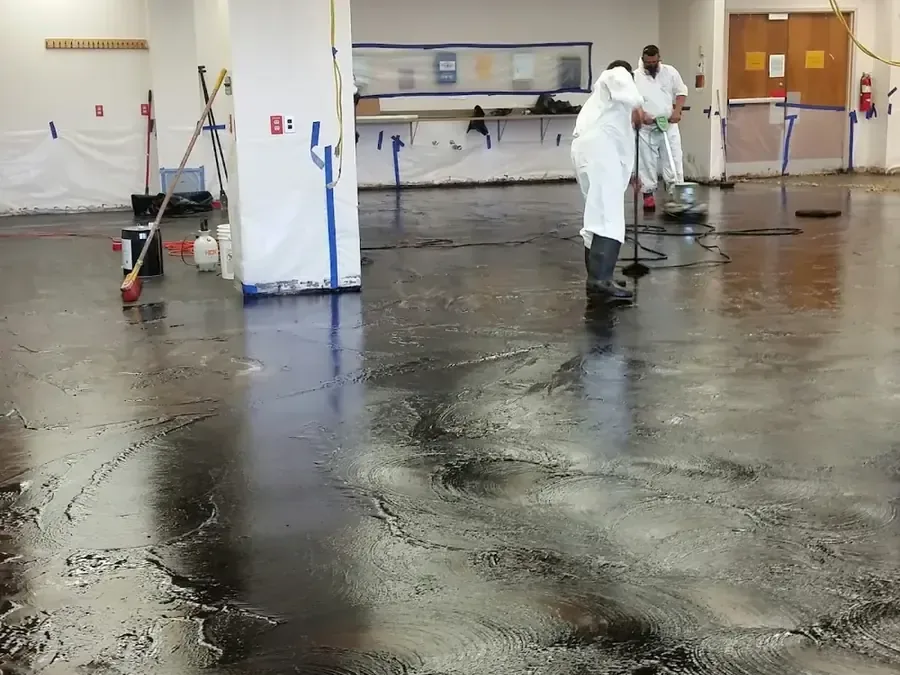 13
Commercial Water Damage
Offices, shops and storage spaces get drying plans built around keeping the business open and limiting downtime.
How it is handled ›Burst pipe or backed up drain? The sooner extraction starts, the less the walls absorb.
☎ Call (888) 471-9821Get a drying plan startedWhy call this crew
Water damage restoration built around moisture readings, not guesses
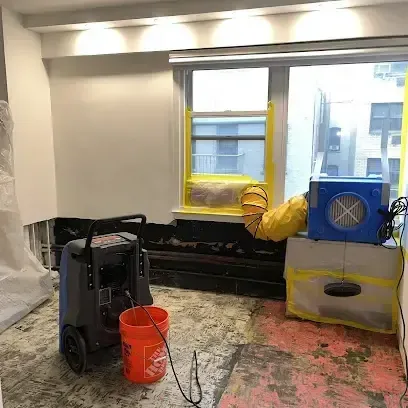
Each job starts with a moisture survey, and drying continues until meter readings show wood, drywall and concrete back at normal levels for the building.
Moisture mapped first
A meter and thermal camera survey shows how far the water traveled, so equipment goes where the wet materials actually are.
Containment for dirty water
Sewage and storm water jobs are sealed off with plastic barriers so contaminated air and dust stay out of clean rooms.
Daily drying logs
Readings are recorded at each visit, so the decision to pull equipment rests on numbers rather than appearances.
Documentation for claims
Photos, moisture logs and equipment records are kept for the adjuster, which keeps an insurance claim moving.
Moisture meters decide when drying is finished, not guesswork or appearances.
☎ Call (888) 471-9821Ask about drying readingsWet materials are dried to a measured target, not a hunch
The drying process follows a written sequence: remove the water, open the wet cavities, dry with controlled airflow and dehumidification, then confirm the readings before any rebuilding starts.
Extract
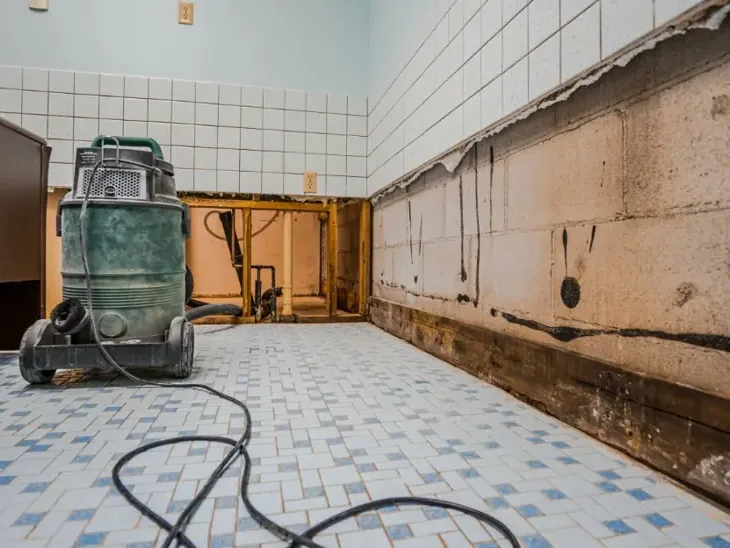
Pumps and wet vacuums remove standing water, which is the fastest way to stop it spreading into walls and subfloors.
Open and clean
Wet baseboards, drywall and insulation are cut out, and surfaces are cleaned and treated where the water was dirty.
Dry
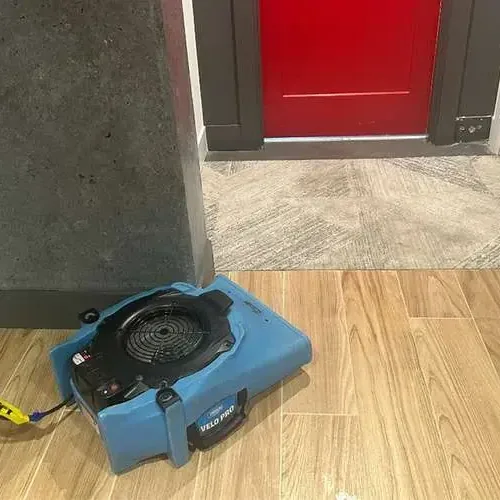
Air movers and LGR dehumidifiers run on a measured layout while readings are taken at each visit.
Verify and close out
Final readings are compared with dry reference points, and the equipment comes out only when the targets are met.
Sewage in the house needs protective cleanup and disinfecting.
☎ Call (888) 471-9821Report the dirty water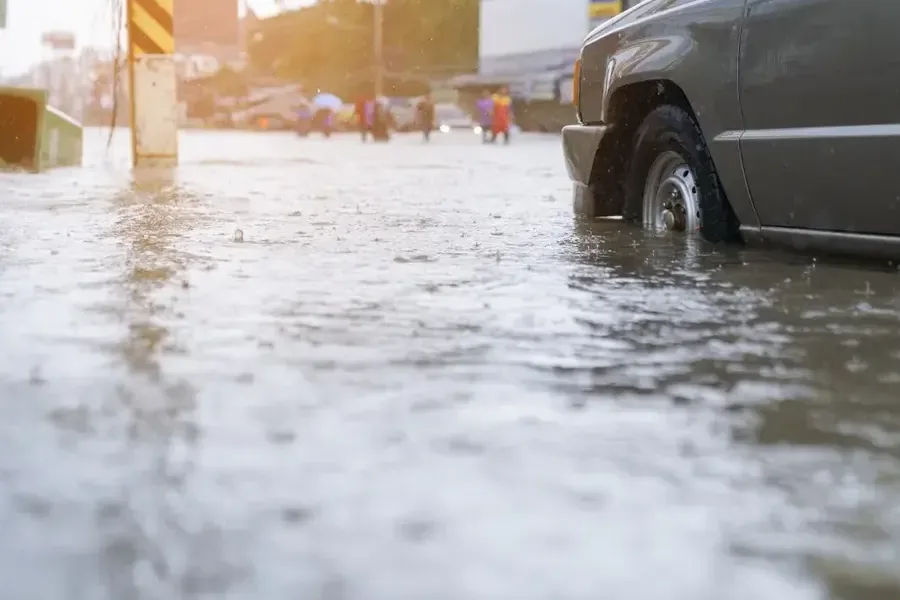
What puts local homes at risk of water damage
Big Timber Creek runs through Bellmawr, and the borough's dense street grid means water that gets into one home often spreads quickly between rooms and floors before anyone notices.
January 2025: A News 12 story from that month, regional New Jersey guidance rather than a local report, quoted a plumber warning that pipes become vulnerable below 20 degrees.
- Storm water entering. Storm water that gets into a home carries silt and bacteria, so removal, cleaning and drying all have to start quickly, and soaked drywall and flooring often cannot stay.
- Cold snap pipe splits. Regional guidance says most freeze-ups begin when a thermostat fails, usually from dead batteries, and homes grow vulnerable once temperatures fall below 20 degrees, so a split pipe can follow.
- Sump and drain failures. A pump that quits during heavy rain or a drain that backs up lets water into the lowest level of a home, where it soaks flooring, framing and anything stored on the floor.
- Sewer backups. The borough sewer division is on call 24 hours a day for emergency backups, but a backup that reaches a floor inside a home still needs professional cleanup and disinfecting.
- Leaks nobody sees. About 29.1 percent of households here are one person living alone, so a leaking washer or supply hose can run unnoticed while the resident is at work or away.
Storm water in the home? Removal and cleaning come first.
☎ Call (888) 471-9821Reach the storm crewEquipment and conditions seen on water damage jobs
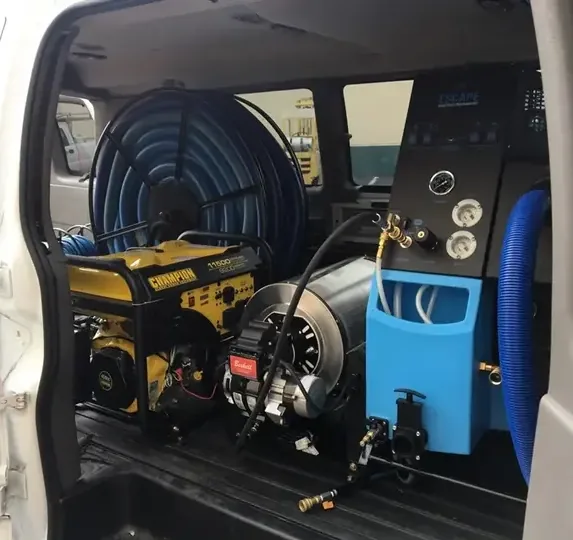
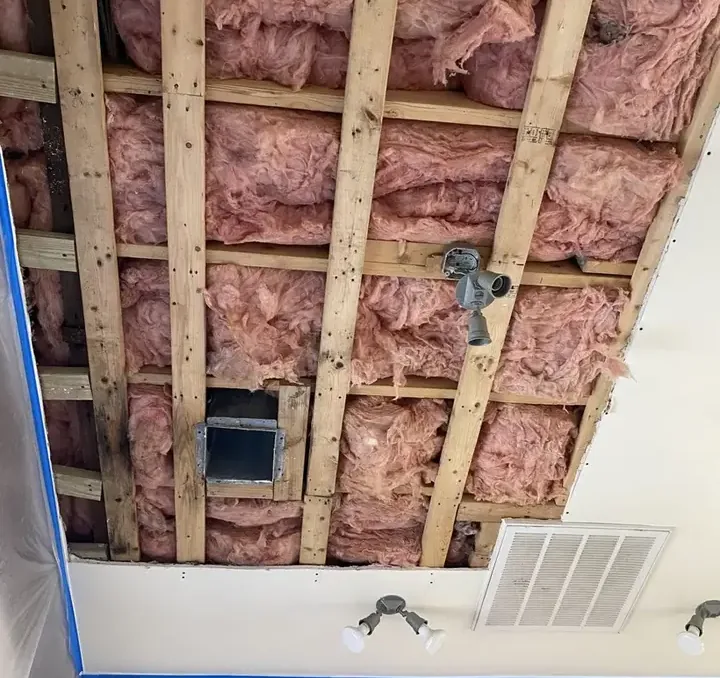
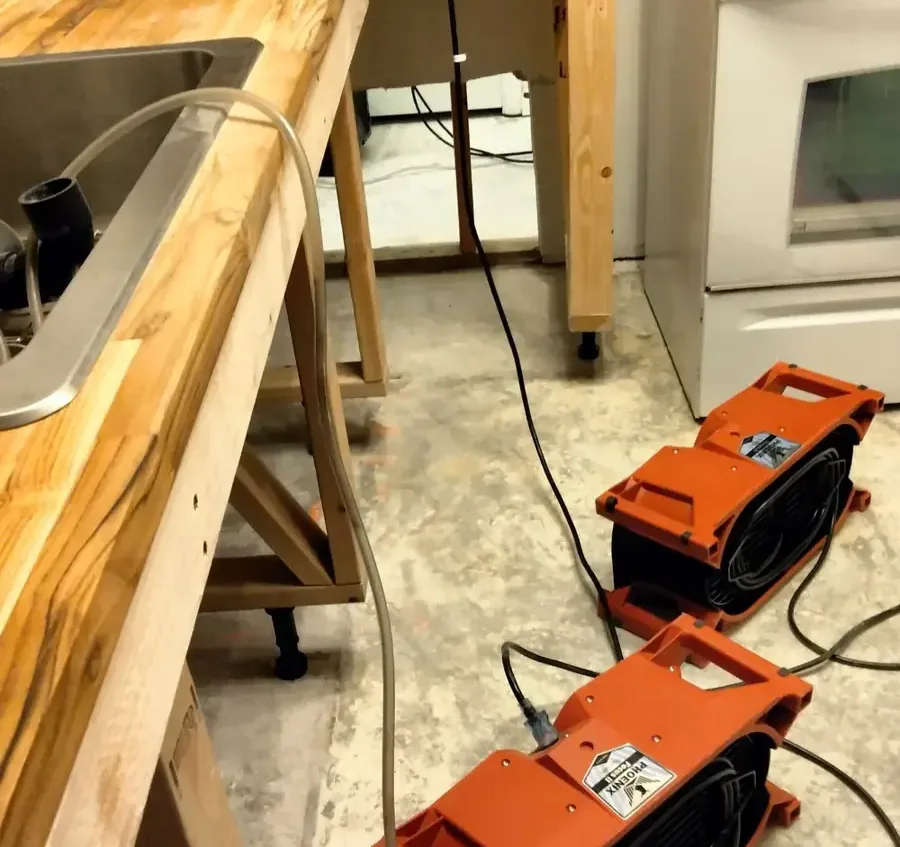
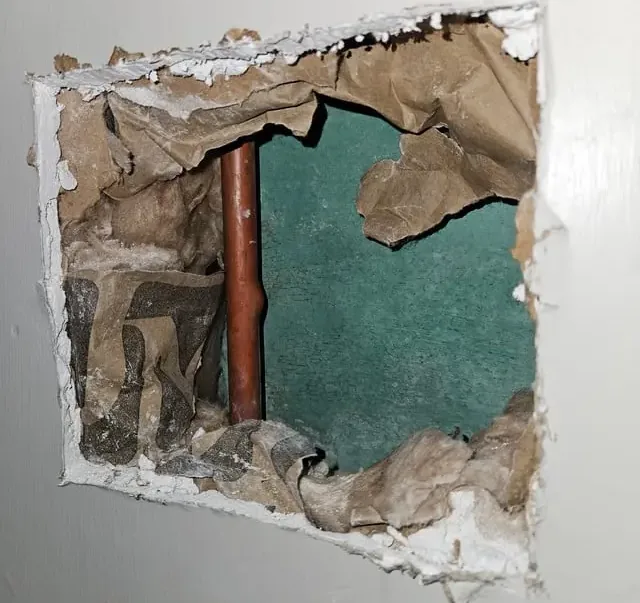
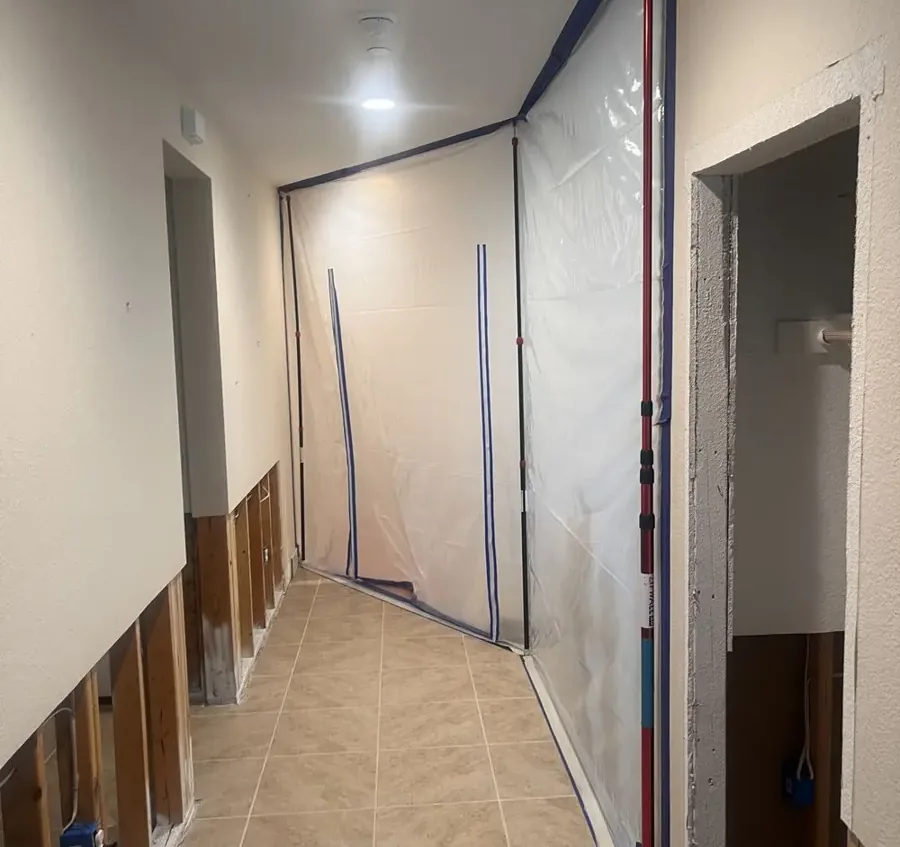
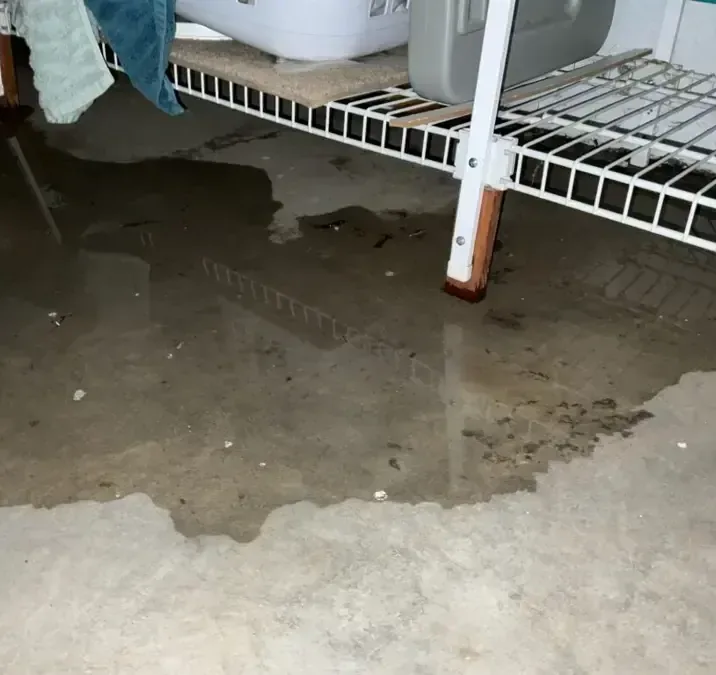
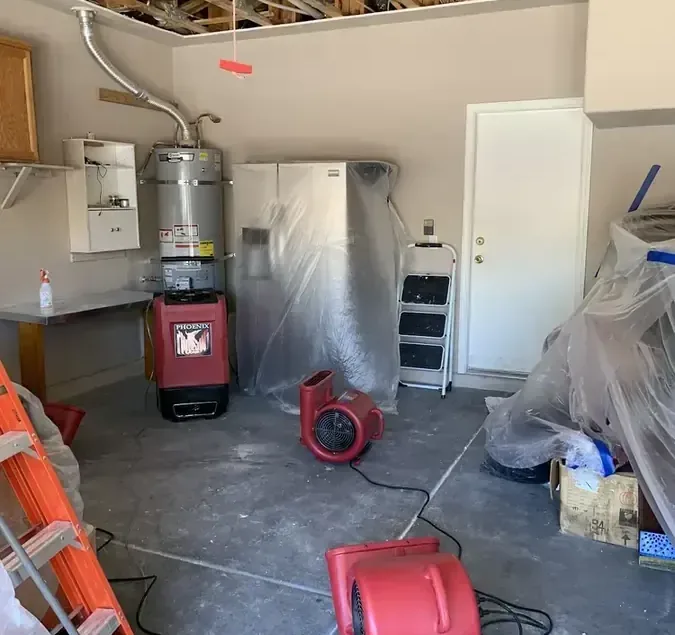
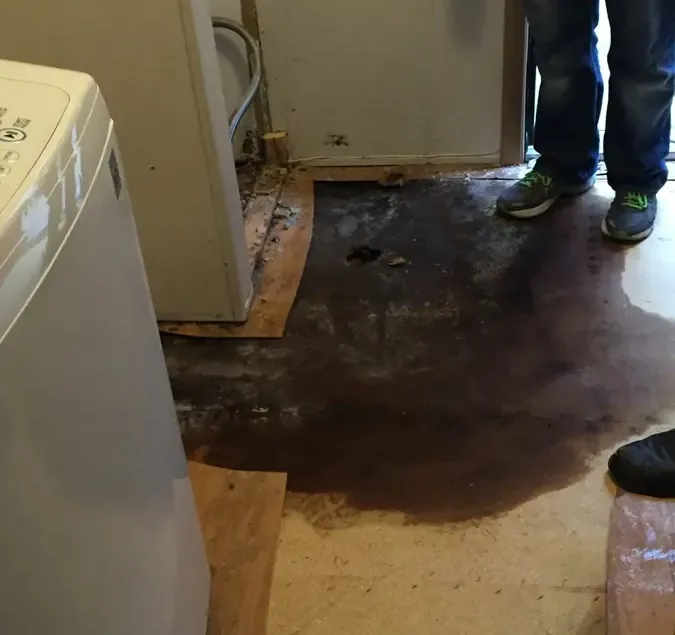
A leak behind a wall is still a leak. Moisture mapping finds where it went.
☎ Call (888) 471-9821Trace where the water wentWhat does water damage restoration cost in Bellmawr, NJ?
Costs run from $450 for a small clean-water room to $14,000 for a basement sewage backup, depending on water volume, contamination and time. A moisture survey sets the final price.
These ranges are estimates for typical homes. Insurance, access and the amount of material that has to come out can move a final figure up or down. A closer range comes from the water damage cost calculator.
Where most water damage starts in local homes
Pipe failures
Split supply pipes and frozen pipes release water inside walls, where it can run unseen until a stain or sag appears.
Burst pipe cleanup ›Appliance and hose leaks
A one-person household can leave a washer or dishwasher leak running for days, so spread under flooring is common.
Appliance leak drying ›Sewer and drain backups
A blocked drain or overwhelmed sewer pushes contaminated water into floors, and it needs protective cleanup, not a mop.
Sewage backup cleanup ›Offices, shops and storage rooms get drying plans that limit downtime.
☎ Call (888) 471-9821Plan the business dry-outWhere water damage crews work around the borough
ZIP codes
Crews cover the whole borough, including Bellmawr Park, the Creek Road area and the streets near Route 42, I-295 and Route 168, for losses of any size.
Roads and landmarks
Nearby towns
Working with your insurance company after water damage
Many policies cover sudden water losses such as a burst pipe, and early photos and readings make the claim easier to support.
Handling the claim yourself
Homeowners can file directly and send the restoration records to the adjuster. Keeping receipts, drying logs and photos together in one folder saves time and back and forth later.
The crew documents the loss either way, and the records can be shared with an adjuster if the claim goes through the carrier.
Open any hour, any day, for water that will not wait for morning.
☎ Call (888) 471-9821Call the water crewCommon water damage questions
Q01How fast should water damage be dealt with?
Q02What does the first visit involve?
Q03Is a burst pipe an emergency?
Q04Can wet carpet be saved?
Q05What happens with sewage in a home?
Q06How long does drying take?
Q07Does insurance cover water damage cleanup?
Q08Do commercial buildings get the same service?
Q09Which areas does the crew cover?
Q10What should be done before the crew gets there?
Water in the house right now? Describe what is wet and where it started, and the crew will explain the first steps and set up extraction and drying.
☎ Call (888) 471-9821Call and describe the damageWater damage help across the borough, any hour
Deptford Water Damage Restoration
The crew also works in neighboring Runnemede, Barrington and Mount Ephraim, as well as Deptford and Westville in Gloucester County.
☎ Call (888) 471-9821Call about water in your homeStart drying before the damage spreads
Call now, any hour, and describe the water. The crew explains the first steps and drying plan.
☎ Call (888) 471-9821Talk to the crew about the water