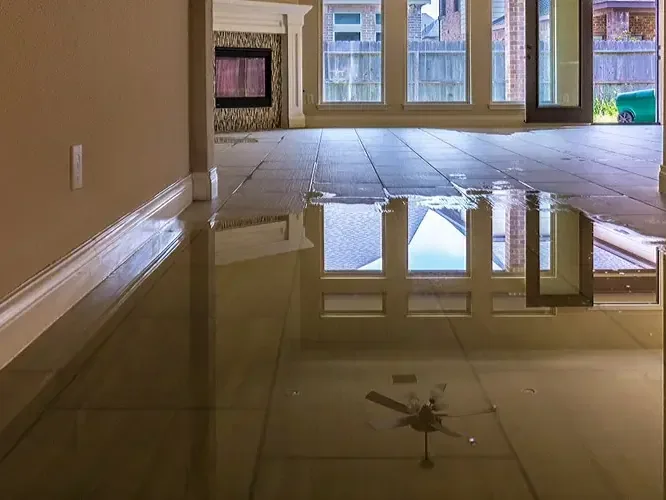
Water is part of the landscape in Paulsboro. About 26.81 percent of the borough's total area is water, and Mantua Creek meets the Delaware River in and around the borough. When a storm pushes rain and runoff toward the low edges, a home needs a plan for what happens next.
Key takeaways
- Storm water is dirty water, so cleanup follows stricter rules than a clean supply leak.
- Safety first: stay out of water near outlets, the panel or a furnace until power is off.
- Standing water is pumped out first, then porous materials that soaked it up are removed.
- Drying is measured with moisture meters, not judged by touch or smell.
- The borough Water & Sewer department handles mains, and the inside of the home is the owner's cleanup.
A borough shaped by water
Paulsboro covers 2.63 square miles in total, 1.92 of them land and 0.71 water. It sits on the banks of the Delaware River, and Mantua Creek flows into the river in and around the borough.
The Port of Paulsboro sits on the Delaware River and Mantua Creek, and downtown Paulsboro runs along Route 44, which is Broad Street. With 2,639 housing units counted in 2020 and a dense layout, homes sit close together, and water that reaches one yard can reach the next.
Why storm water is different
Storm water travels across roofs, streets and yards before it reaches a house. It picks up soil, oil, litter and bacteria on the way.
- Rain that comes through a damaged roof is the least contaminated
- Runoff that enters through doors or window wells carries soil
- Water that backs up from a drain may contain sewage
- Water that sat for days is treated as contaminated
Clean rain through the roof
If the water came from a roof leak and was caught quickly, much of the material may dry in place.
Runoff and creek water
Water that moved across the ground or came up from a creek or drain has contact with contamination, so porous materials usually come out.
The first things to do
The first steps in a storm water loss are the same in most homes, and they protect both people and the claim.
- Keep out of standing water if outlets, a furnace or the panel are wet.
- Shut off power to the wet area if it can be done from dry ground.
- Photograph the waterline, the damage and the way water entered.
- Lift small items and papers off the floor.
- Wear boots, gloves and a mask for contact with the water.
- Report the loss to the insurance company before cleanup begins.
Mistakes after storm water gets in
Several quick reactions make a storm water loss larger. Knowing them ahead of time helps.
- Walking through water to reach the panel or a furnace
- Using a household vacuum on standing water
- Leaving carpet and pad in place for days
- Throwing away items before photographing them
- Sealing or painting walls before they are dried
Why speed matters
Water spreads into drywall, framing and flooring the longer it sits. Quick extraction limits the number of materials that must be replaced.
Why photos come first
Cleanup removes the evidence, so the waterline, the damaged items and the entry point should be photographed before anything is moved.
Extraction and removal
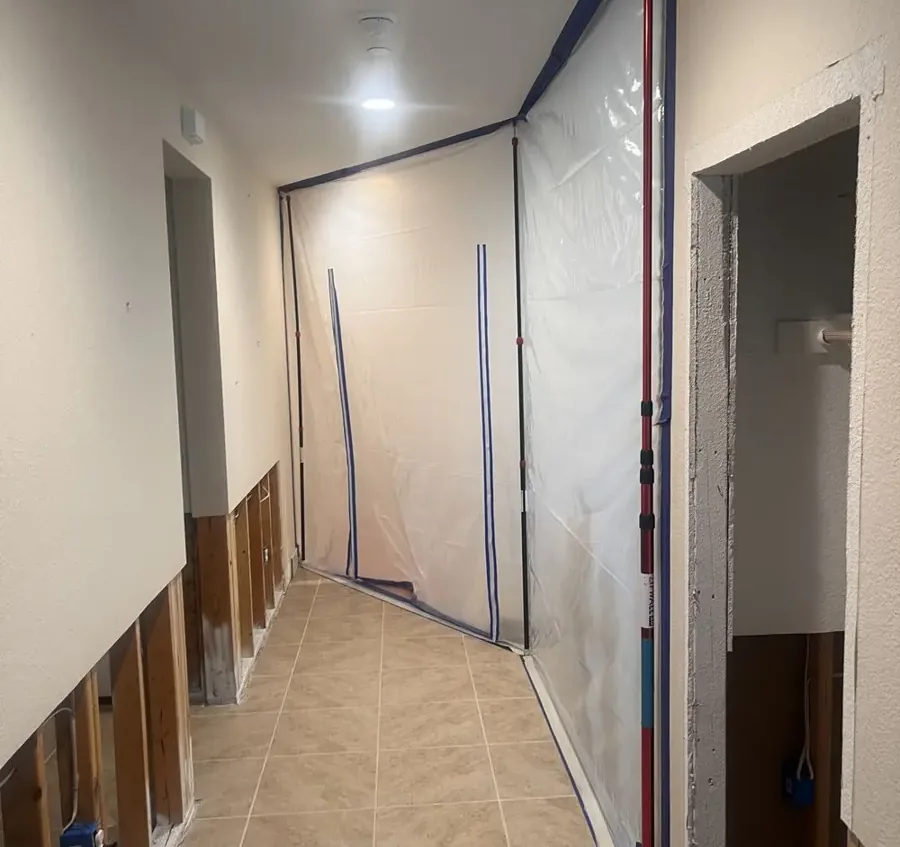
Cleanup starts by getting the water out. Pumps and wet vacuums pull standing water from the floor, working from the lowest point to the door.
The storm and flood cleanup crew then sorts what dries in place from what cannot. Drywall, insulation, carpet and pad that soaked up dirty water are usually removed.
- Standing water pumped and vacuumed
- Carpet and pad lifted
- Drywall cut back above the waterline
- Insulation and baseboards removed
- Hard surfaces cleaned and treated
What to ask a cleanup crew
A homeowner dealing with storm water for the first time is often unsure what to expect. A few plain questions at the start make the job clearer and the bill easier to follow.
The answers should be in writing, with the scope, the equipment and the way drying will be measured spelled out before work begins.
- What materials will be removed and why
- How drying will be measured and logged
- How many days the equipment is expected to run
- Who will talk to the insurance adjuster
- What the final report will include
Drying the structure
Water in the wall cavity and subfloor does not leave on its own. In a humid river climate it can sit for days, and the structure keeps absorbing it.
The structural drying process uses air movers and dehumidifiers, with readings taken on each visit. Equipment stays until walls, framing and floors match dry reference spots.
- Moisture meters map the wet areas
- Air movers circulate across wet surfaces
- Dehumidifiers pull water from the air
- Readings are logged and shared
Preparing before the next storm
Residents of a river town learn that a little preparation goes a long way. Most steps cost little and take an afternoon.
- Clear leaves from gutters, downspouts and yard drains
- Keep stored items off the floor
- Know where the main panel and water shutoff are
- Store insurance papers and photos in a cloud folder
- Keep a small kit with boots, gloves and a flashlight
Vacant homes and storm water
Paulsboro had 2,639 housing units at the 2020 census, with 12.3 percent of them vacant. A vacant home with storm water in it can go unnoticed, since no one is there to see the stain or smell the damp.
Neighbors who spot an open door, a broken window or water at a threshold can alert the owner. The earlier the water comes out, the less of the structure it reaches.
Who to contact
The Borough of Paulsboro has its own Water & Sewer department, and the borough lists Code & Construction, Emergency Management, Fire, Police and Public Works among its departments. After hours, the borough dispatcher contacts the Water & Sewer department.
Those offices deal with mains, hydrants and street problems. Cleanup inside a house is up to the owner and the insurer, and the Paulsboro water damage team can help with extraction and drying.
Questions
Is storm water in a house safe to touch?
Not without protection. It can carry bacteria, soil and chemicals, so gloves, boots and a mask are the minimum until the area is cleaned and treated.
How can a homeowner tell if water came from a drain?
Cloudy water with an odor coming up through a floor drain or toilet points to a sewer problem. That calls for sewage cleanup rather than storm water cleanup.
What should be thrown out after storm water?
Carpet, pad, insulation and drywall that soaked up the water are normally removed. Tile, concrete and sealed surfaces can often be cleaned and dried.
Does homeowners insurance cover storm water?
Coverage depends on the policy and on where the water came from. Rising ground water is often treated differently from rain through a damaged roof, so the adjuster decides.
How long does drying take?
It depends on the depth of water and the materials involved. Equipment runs until moisture readings return to normal, which is longer for dense materials.