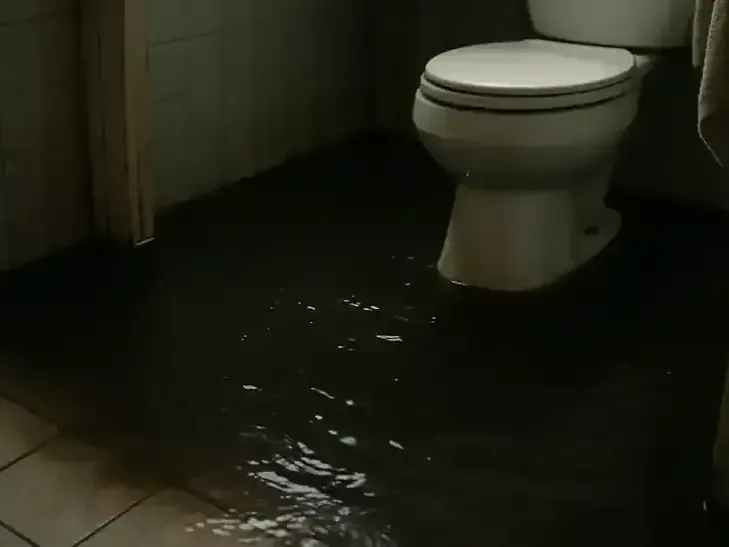
Sewage coming up through a drain or toilet is a health event as much as a water event. In Gloucester City, where heavy rain strains a combined sewer system, a backup can arrive during a storm and leave a house needing careful cleanup before any repair starts.
Key takeaways
- Sewage water is contaminated and is not cleaned with a mop and a bucket.
- Keep people and pets out of the affected area and stop using drains, toilets and the washing machine.
- Porous materials that touched sewage, such as carpet, pad and lower drywall, are normally removed.
- Hard surfaces are cleaned and treated, then dried with air movers and dehumidifiers.
- A combined sewer system sends storm water and household wastewater through the same pipes, so heavy rain raises the odds of a backup.
What a combined sewer system means for a homeowner
Gloucester City has seven combined sewer overflow outfalls that discharge to the Delaware River and Newton Creek. In a combined system, rain runoff and household wastewater share the same pipes, so a heavy storm can fill them fast.
When the system is full, water looks for the easiest way out, and the lowest drain in a house can become that way. That is a general feature of combined systems, not a claim about any one street.
- Floor drains in a lower level
- Basement bathrooms and laundry sinks
- Toilets on the lowest floor
- Shower drains that gurgle during a storm
How a sewage backup differs from a clean water leak
A broken supply pipe releases clean water. A backup releases wastewater that carries bacteria, viruses and other contaminants, and it cannot be handled the same way.
That is why sewage is treated as Category 3 water, the most contaminated class. The sewage backup cleanup work follows stricter rules for removal, cleaning and drying.
What stays out of the living area
Anything porous that touched sewage is unlikely to be made safe again. That includes carpet, pad, upholstered furniture and drywall that wicked the water upward.
- Carpet and pad
- Drywall and insulation below the waterline
- Cardboard boxes and stored paper
- Mattresses and soft furnishings
What can be cleaned
Concrete, tile, sealed wood and metal can usually be cleaned and treated, then dried. Cleaning removes the soil, and treatment addresses what remains.
The first steps after a backup
The right first moves protect health and keep the loss from spreading.
- Stop using sinks, tubs, toilets and the washing machine.
- Keep children, pets and anyone with a weak immune system away from the area.
- Shut off power to the affected area if it can be done from dry ground.
- Open windows if it is safe, and keep doors to clean rooms closed.
- Photograph the water, the drain and the damaged items.
- Wear boots, gloves and a mask for any unavoidable contact.
What the cleanup crew does
Protective gear, containment and a set order of work are standard. The goal is to remove the contamination, not spread it to clean rooms.
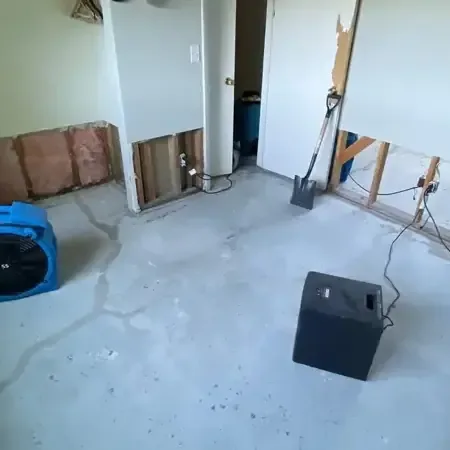
Extraction comes first, and a basement flooding cleanup approach applies when the backup reached a lower level. After the water is out, the affected materials come out, surfaces are cleaned and treated, and the area is dried.
- Standing water extracted with pumps
- Contaminated carpet, pad and drywall removed in sealed bags
- Hard surfaces cleaned, treated and rinsed
- Air movers and dehumidifiers set up after treatment
- Moisture readings logged until the structure is dry
Mistakes that spread the contamination
Good intentions can carry sewage into clean rooms. A few habits are worth avoiding until trained crews have the area under control.
- Walking through the water and then through the rest of the house
- Using a household vacuum on wet sewage
- Mixing bleach with other cleaners
- Flushing or running water to see if the drain clears
- Keeping wet carpet or boxes to dry later
Why shoes and clothing matter
Boots and clothes that touched the water carry contamination to every room they enter. Bag them or wash them separately, and wash hands and forearms thoroughly.
Why the washing machine stays off
Water from a washer drains into the same pipe that is backing up. Running it during a backup adds to the problem.
Green infrastructure and nuisance flooding
A Rutgers Cooperative Extension pilot with the city, the NJ Tree Foundation and the Camden County Soil Conservation District targets flooding and combined sewer overflow issues. It uses green infrastructure to reduce nuisance flooding and address impervious cover.
A city wide green infrastructure feasibility study identified sites that capture and infiltrate stormwater runoff. Projects like these ease the strain on old pipes over time, but they do not remove the risk for a home today.
Where the water usually comes from
The source decides the repair. A blockage in the pipe from the house to the main is a different problem from a full main during a storm, and a plumber can find out which it is.
A camera inspection shows roots, breaks or buildup. The city can say whether a main is overloaded, and the Gloucester City service area page lists the cleanup work that follows a backup.
- A blockage in the pipe from the house
- A full main during heavy rain
- A floor drain connected to an overloaded pipe
- A broken or collapsed section of pipe
Reducing the chance of a repeat
A backup that happened once can happen again, and a few measures lower the odds. A plumber can inspect the lateral and the floor drain, and some homes add a backwater valve where local rules allow.
Disposing of grease, wipes and other items that clog pipes also helps, since a partial blockage makes a rain related backup worse.
- Keep grease and wipes out of drains
- Ask a plumber about a backwater valve
- Clear nearby street drains of leaves
- Do not run the washing machine during a backup
Insurance and records
Sewage backup is often excluded unless a policy carries a water backup endorsement, so the claim starts by reading the policy. Photos, dates and receipts support the claim whatever the answer.
The cleanup record matters too. The crew should leave a written scope of what was removed, cleaned and dried, with readings that show the structure reached normal levels.
Questions
Is sewage backup water dangerous?
Yes. It can carry bacteria and viruses, so skin contact, splashing and breathing in spray should be avoided until the area is cleaned and treated.
Can a toilet backup be cleaned with household cleaners?
Not safely for anything beyond a very small spill on a hard surface. Larger backups involve porous materials that need removal and professional cleaning and drying.
Why does heavy rain cause backups in a combined sewer system?
Rain runoff and wastewater share pipes in a combined system. When rain fills the pipes, water can push back toward the lowest drains in connected buildings.
Who is responsible for the sewer pipe?
Ownership of the pipe between the house and the main varies, and this article makes no claim about it. The city or a plumber can confirm the boundary for a specific address.
Does insurance cover a sewage backup?
Often only with a water backup endorsement. The policy and the adjuster decide, and photos and receipts help whichever way the answer goes.